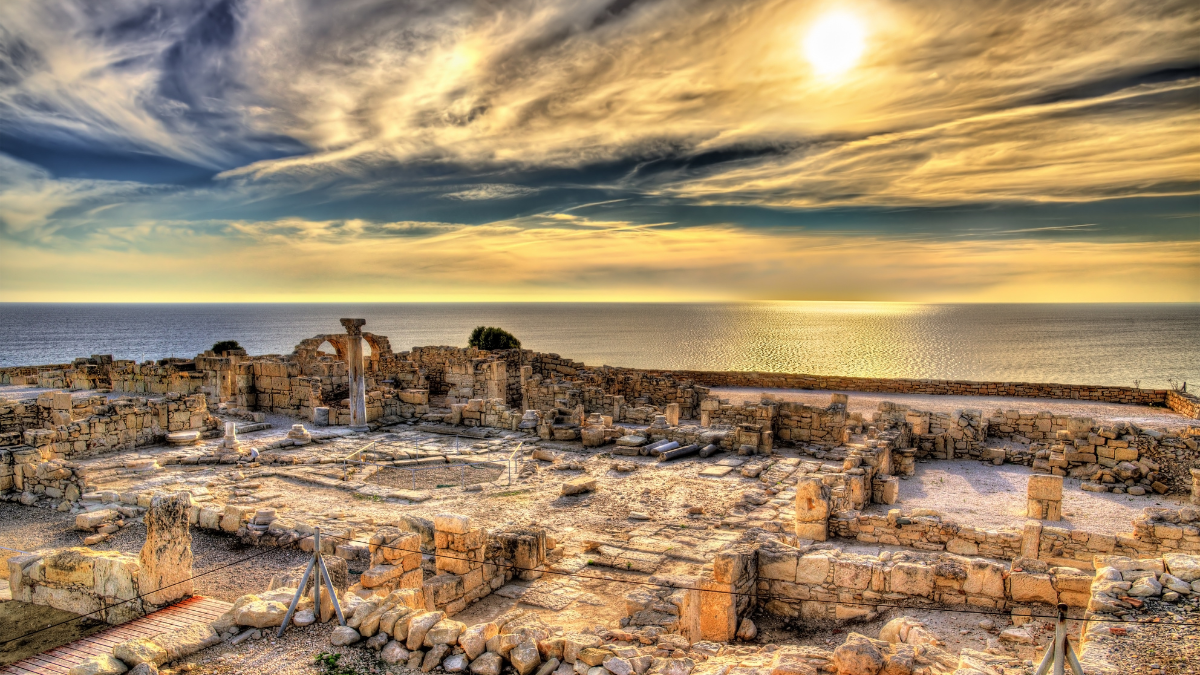
China is a land where the past and present coexist in harmony. From towering skyscrapers in modern cities to ancient towns and temples that have withstood the test of time, this vast country offers a journey through history like no other. For those fascinated by history, culture, and ancient civilizations, China is the ultimate destination. In this post, we’ll explore some of the most captivating ancient towns and historic sites that allow travelers to step back in time and experience the rich heritage of this extraordinary country.
Pingyao – A Window into China’s Ming and Qing Dynasties
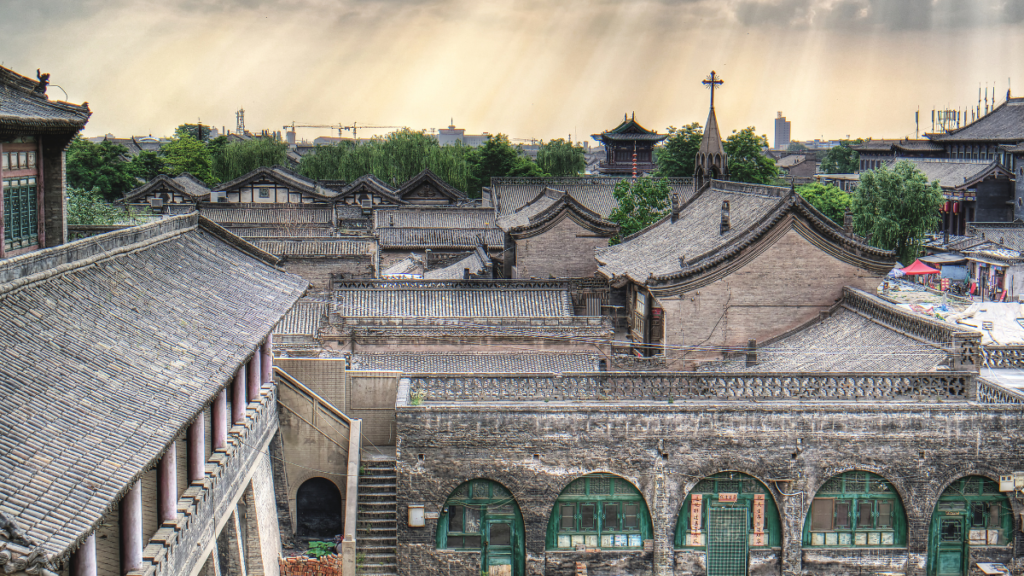
Start your journey through China’s history in Pingyao, an ancient walled city that has remained remarkably well-preserved since the Ming and Qing dynasties. A UNESCO World Heritage site, Pingyao offers a rare glimpse into China’s past, with its cobblestone streets, traditional courtyard houses, and ancient city gates.
The Pingyao Ancient City itself is the star attraction, where you can wander through its labyrinth of narrow streets lined with ancient architecture. Don’t miss the Rishengchang Exchange Shop, which once housed China’s first private bank and is now a museum dedicated to the city’s role in Chinese commerce. For a sweeping view of the city, climb the City Wall or visit the Pingyao Ancient Tower. A walk through Pingyao is like stepping into an ancient Chinese painting, where history and culture come to life around you.
Lijiang – The Heart of Naxi Culture
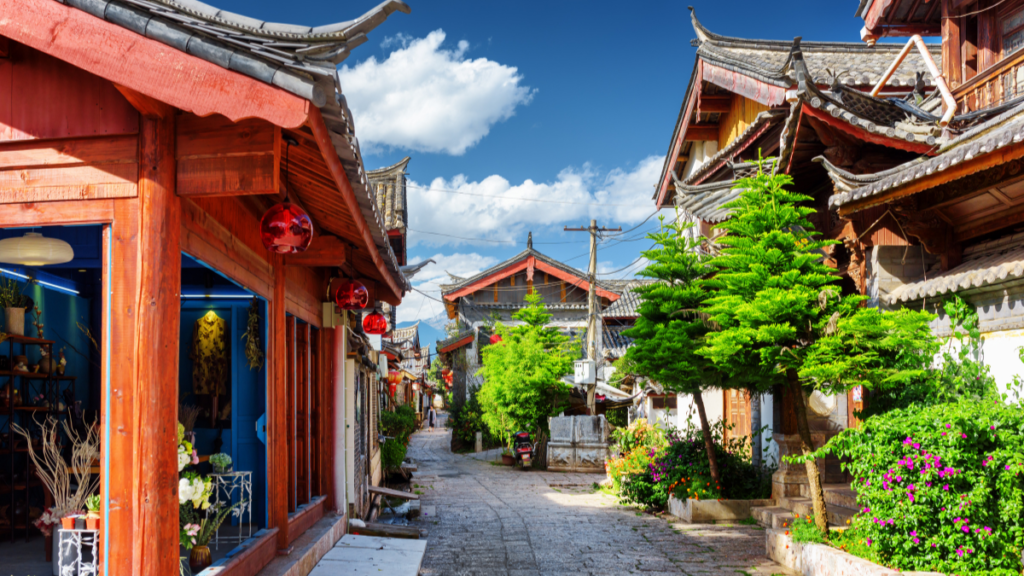
In southwestern China lies Lijiang, an ancient town that is as rich in history as it is in natural beauty. Recognized as a UNESCO World Heritage site, Lijiang is famous for its traditional Naxi culture and its stunning ancient architecture, most notably in its Old Town.
Wander through the Old Town of Lijiang, a labyrinth of narrow lanes, wooden houses, canals, and charming bridges. The town’s blend of ancient Naxi traditions, Tibetan influences, and Chinese culture makes it one of the most unique and picturesque places in China. A visit to Black Dragon Pool provides an idyllic setting with pavilions, temples, and a perfect view of the Jade Dragon Snow Mountain in the distance. If you’re looking to escape the crowds, head to Shuhe Ancient Town, a quieter area that still retains much of its traditional charm.
Xi’an – The Eternal Capital and Home of the Terracotta Army
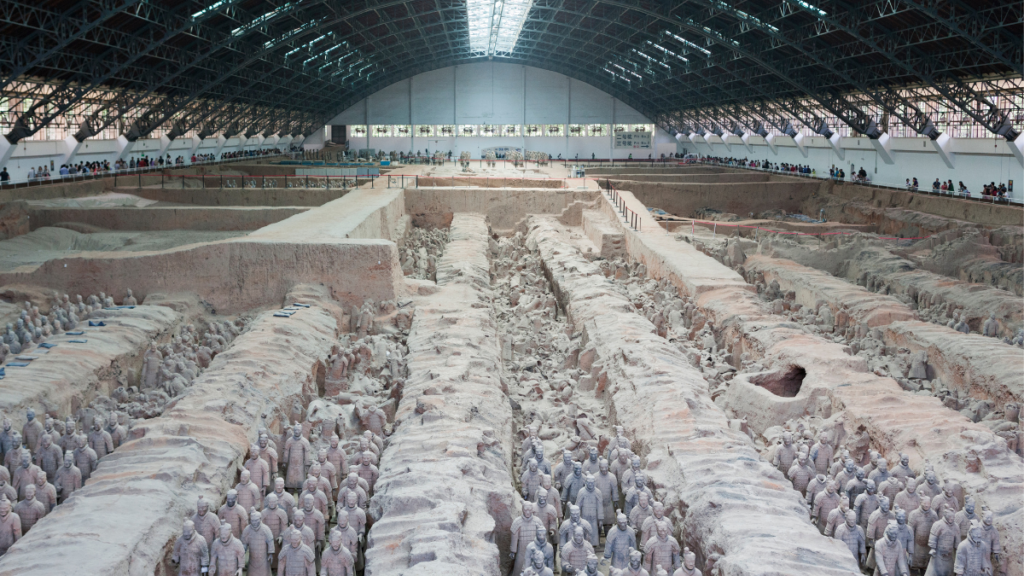
No trip through China’s ancient history would be complete without a visit to Xi’an, the starting point of the Silk Road and the capital of several dynasties, including the Qin and Tang. Xi’an is a city steeped in history, where ancient treasures like the Terracotta Army await.
The Terracotta Army is one of China’s most awe-inspiring archaeological discoveries. Thousands of life-sized clay soldiers, horses, and chariots were created to protect the tomb of Emperor Qin Shi Huang, and today they stand as silent sentinels of a bygone era. Also in Xi’an, you can visit the Xi’an City Wall, one of the best-preserved ancient city walls in China, offering both history and panoramic views of the city. The Big Wild Goose Pagoda is another landmark, with its ancient Buddhist significance and serene surroundings.
Suzhou – The Venice of the East and Its Classical Gardens
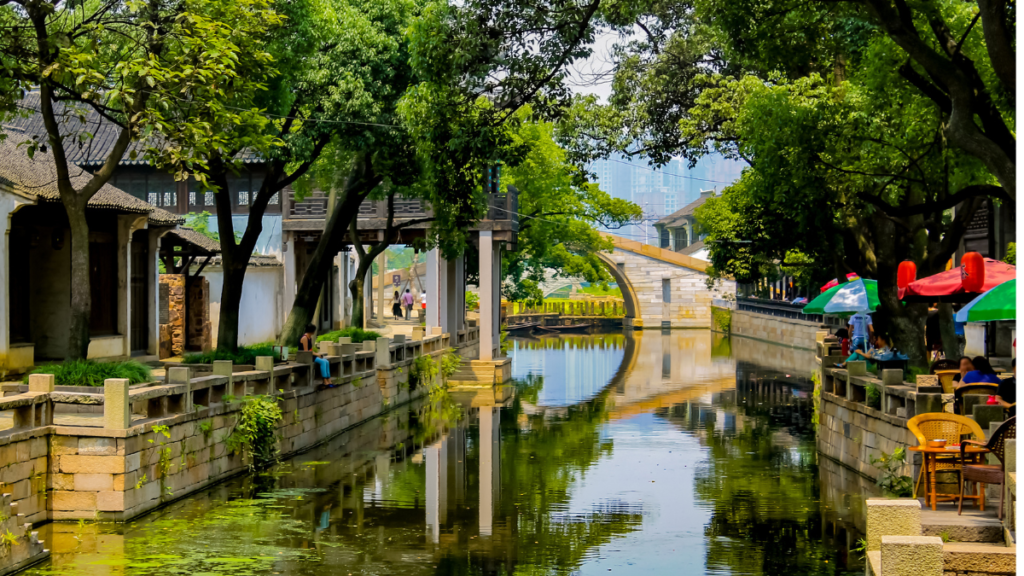
Located in the heart of China’s eastern region, Suzhou is a city famous for its classical gardens, ancient water towns, and traditional silk production. Often called the “Venice of the East”, Suzhou offers travelers a peaceful retreat into China’s cultural past.
The city is home to several UNESCO World Heritage-listed classical gardens, such as the Humble Administrator’s Garden, Lingering Garden, and Master of the Nets Garden. These gardens are masterpieces of Chinese landscape design, featuring serene ponds, delicate bridges, and lush greenery. The Silk Museum in Suzhou is a great place to learn about the ancient art of silk production, which has been practiced here for over 2,000 years. If you want to experience the old-world charm of Suzhou, take a boat ride through the city’s ancient water towns, where traditional houses sit on canals lined with willows.
Dunhuang – The Gateway to the Silk Road and the Mogao Caves
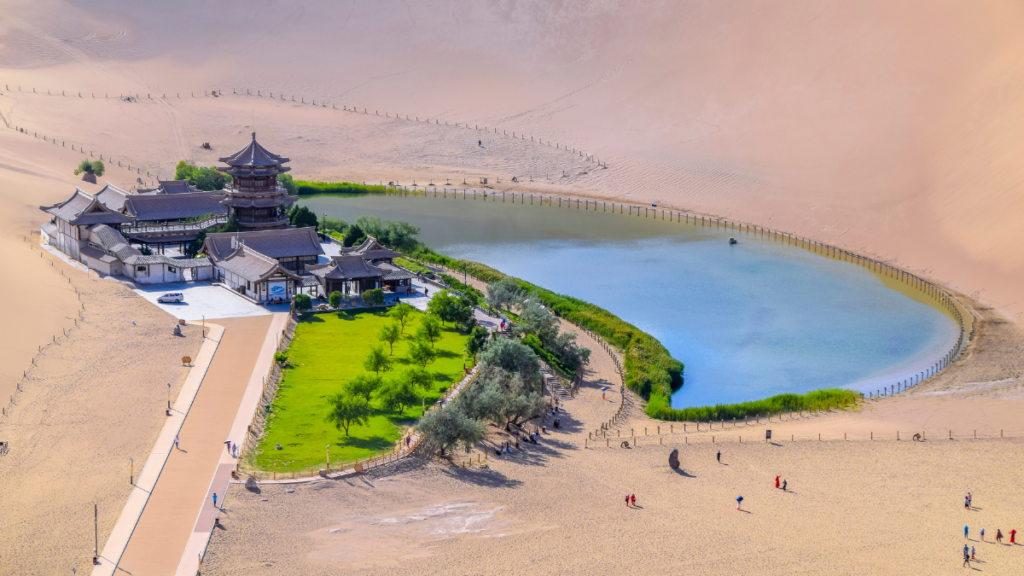
For those interested in the history of the Silk Road, Dunhuang is an essential stop. Located in northwestern China, this ancient oasis town was a key point on the Silk Road, connecting China to Central Asia, and it is home to one of China’s most extraordinary cultural treasures: the Mogao Caves.
The Mogao Caves are a complex of Buddhist cave temples carved into the cliffs along the Gansu Province. Inside, you’ll find some of the most remarkable Buddhist art in the world, including thousands of murals and statues dating back over 1,000 years. The Dunhuang Museum provides more insight into the significance of the Silk Road and the role of Dunhuang in connecting East and West. After exploring the caves, head to the Mingsha Mountain and Crescent Moon Spring, a stunning desert landscape where you can ride camels and watch the sand dunes shift with the wind.
Beijing – China’s Capital of History and Culture
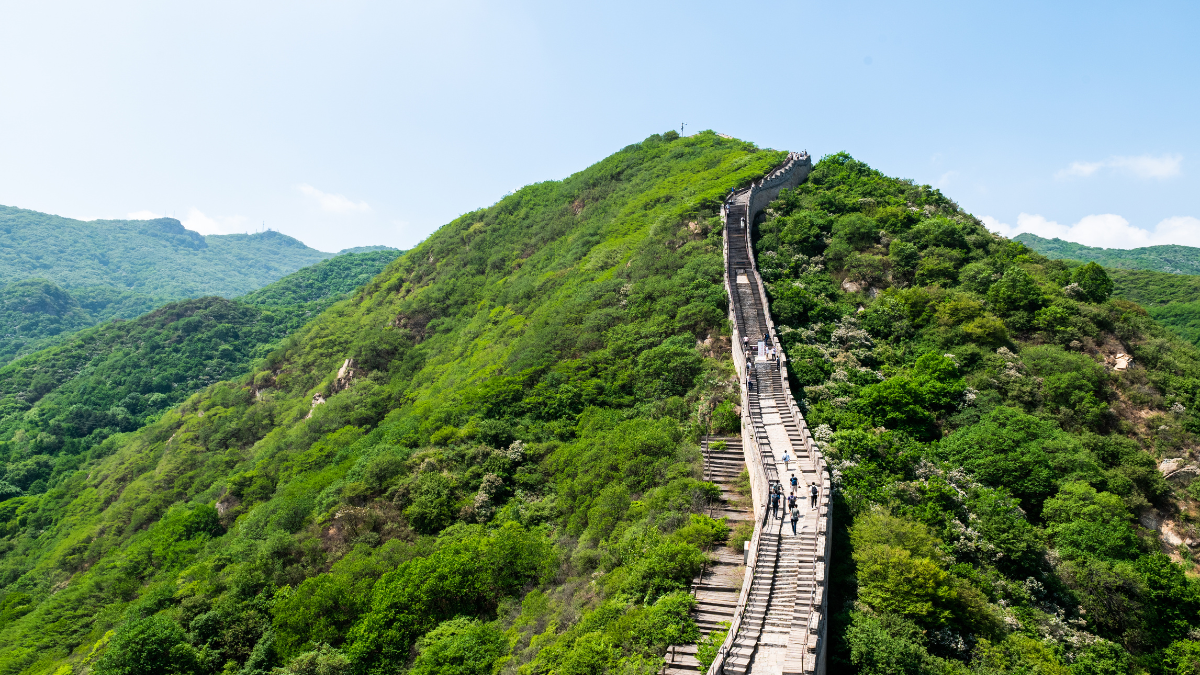
No exploration of China’s ancient sites would be complete without a visit to the nation’s capital, Beijing. This bustling metropolis blends ancient imperial grandeur with modern-day innovation, offering a unique window into China’s history and culture.
The Forbidden City, once the home of China’s emperors, is a must-visit. This vast complex of palaces, halls, and courtyards is a testament to the power and opulence of the Ming and Qing dynasties. The Great Wall of China, one of the most iconic landmarks in the world, stretches for thousands of miles and offers incredible views and an insight into China’s military history. Don’t miss the Temple of Heaven, where emperors prayed for good harvests, or the Summer Palace, an exquisite royal retreat surrounded by peaceful gardens and tranquil lakes.
Conclusion
China’s ancient towns and historic sites offer a journey through time that will leave you in awe of its rich cultural heritage. From the ancient streets of Pingyao to the stunning Buddhist art of the Mogao Caves, these destinations allow you to step back in time and experience the profound history of one of the world’s oldest civilizations. So, whether you’re wandering through the labyrinthine alleys of Lijiang or gazing at the Terracotta Army in Xi’an, China’s past is waiting to be explored—and it’s more accessible than ever.
